
The Metaphysics of the Sock Check
A needlessly pretentious essay about why foos check each other's socks

The Ontology of the Sock Check
The Chicano Sock Check is not a critique of fashion or style, it is a test of a foo’s Ontological character. The question, “How high are your socks,” is rooted in a recognition of tradition and a compliance to the outstanding culture that produced it. When a foo’ asks another foo' how high their socks are they are not checking for an adherence to aesthetics nor is it a direct test of will either. The statement is meant to identify who is in line with the culture and who is not.
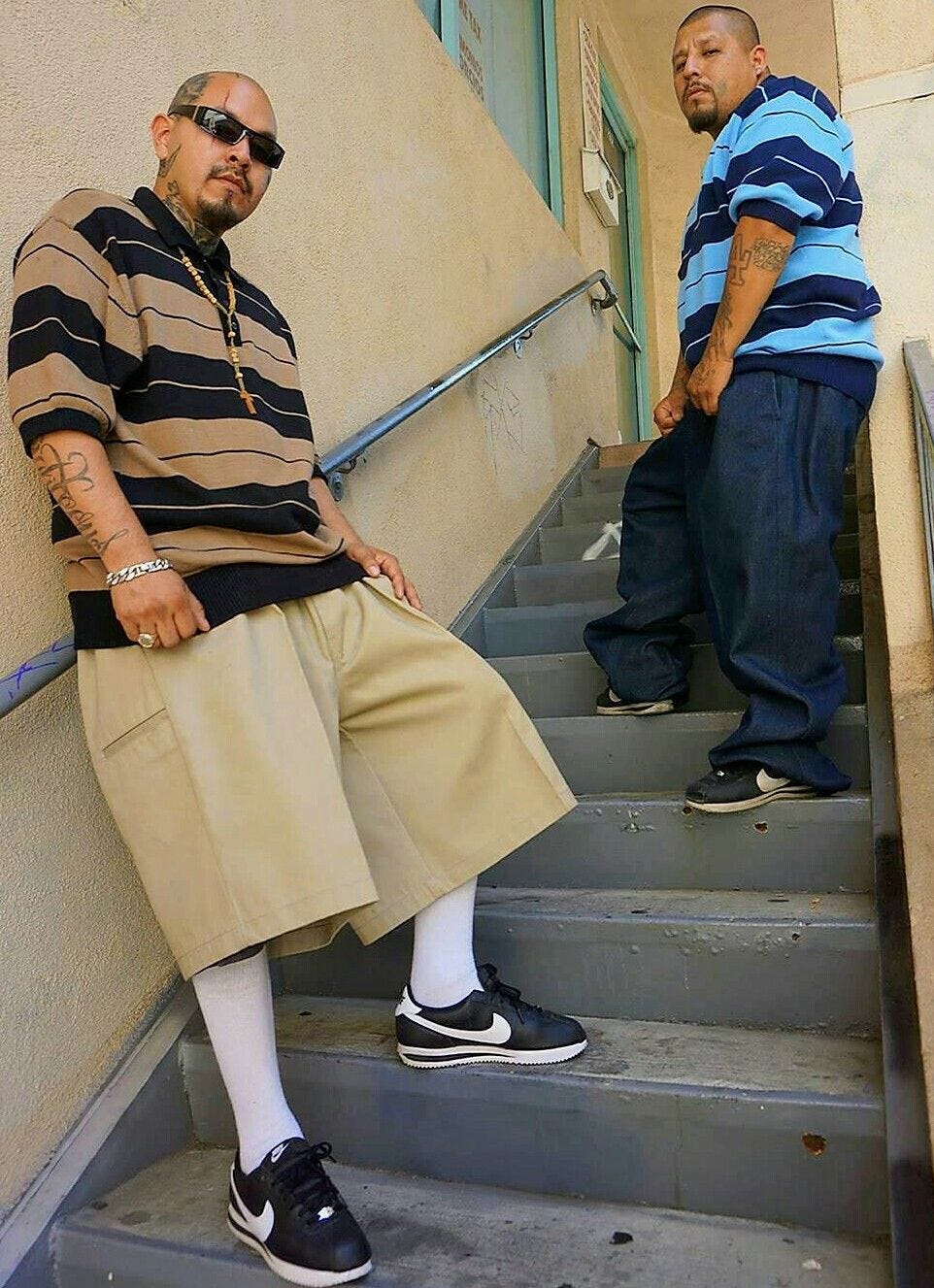
It is simultaneously an in-joke that will weed out outsiders, the average white boy is not familiar with the sock check or at the least will present confusion when given such a challenge. It is also a means of testing who is most aware of how they are perceived within their immediate circle by those they share a community with. To strive to keep your socks high is to maintain alignment with your community’s expectation similar to ironing a shirt or pants. The loss by not doing so is a loss of social credibility while the gain is only to prevent such a loss with minimal to no tangible benefit. Lastly, the sock check correlates to a Foo's willingness to represent their culture. The socks are often covered by long shorts or pants meaning that you must be put together in the anticipation of presenting, not only when asked.
While the adherence to said aesthetic is often confined to the Cholo subculture meaning other subcultures or aesthetics such as the Edgar, the No Sabo Kid, etc. might not adhere but are often aware of the concept. It's not uncommon for Latino teens to sock check each other as a social media trend. In this instance the act is sublated within its cultural context. While no one thinks of the sock check as a true indication of resolve, a level of appreciation and temporary status is placed on those who pass the sock check even to people not part of the specific subculture that birthed the act.
I say sublated because simultaneously the act is parodied in doing this, but the temporary status placed on people who meet the expectation serves to reinforce the status of the aesthetic it seeks to emulate. It is turned into a ritual by elevating it to an indication of shared culture with the center of this ritual being the Cholo or the “down-ass foo” thus making the highest good in this scenario an idealized form of the Cholo.
To be the Downest Foo’
I would like to pose this question. If higher socks equate to a Foo's downness, then who was the Downest Foo? In reality it is difficult to point to a single individual. The tradition is not linked to a specific person known for being the most down like that of a frontier hero. There most definitely is a Foo out there with the highest socks in material reality, but this most definitely does not correlate to him being the most down. In this instance there is a distinction between appearance and essence. This individual appears to be the downest, according to the tradition, but is truthfully not essentially that. Instead the sock check is part of a larger tendency of down-ass Foos wearing their socks high. You are thus emulating not a person but a higher ideal held by the collective unconscious of Foos. The point of doing a sock check is to bridge the gap between the higher ideal of the Chicano and the reality of an individual. There is no Foo who is the downest.
Why Sock Check?
The sock check presents more outside of the culture than it does simply within it. The dialectic of those who pass the sock check to those who are ineligible is as important as the dialectic of those who pass and do not pass the sock check. As mentioned it serves to separate those who are part of the culture from those who are not as a social litmus test. It is not common for a Foo to sock check someone who is not Chicano, and should this situation arise, the expectation of passing does not hold the same weight. Even many other people of color are not familiar with the sock check, as I've come to find out. Essentially outsiders are separated unconsciously without needing a sock check simply by considering if they are worthy of being sock checked.
However, the fact that someone is eligible for a sock check does not mean they're fit for a sock check. Most retired down-ass Foos, think of the older Chicano who grew up in the hood but is now a family man, will respond positively to the sock check, oftentimes making a joke about how they were caught lacking in the instance.
The reception demonstrates a loyalty to Chicano culture, even if the expectation is not held as a personal code of conduct. There does however exist a tendency from some people who willingly separate themselves from these cultural elements for various reasons.
Whether it be a disavowal of the perceived ghetto elements as a means to separate oneself from the stigma attached or even a distaste for these elements due to breaking a chain of historic poverty and thus seeking to present the part. To clarify, the nature of simply not dressing like a hood foo' does not equate to a rejection of the culture. Most people who are the first to achieve material success, the quintessential “getting out of the hood,” retain large aspects of their identity within themselves either actively or passively.
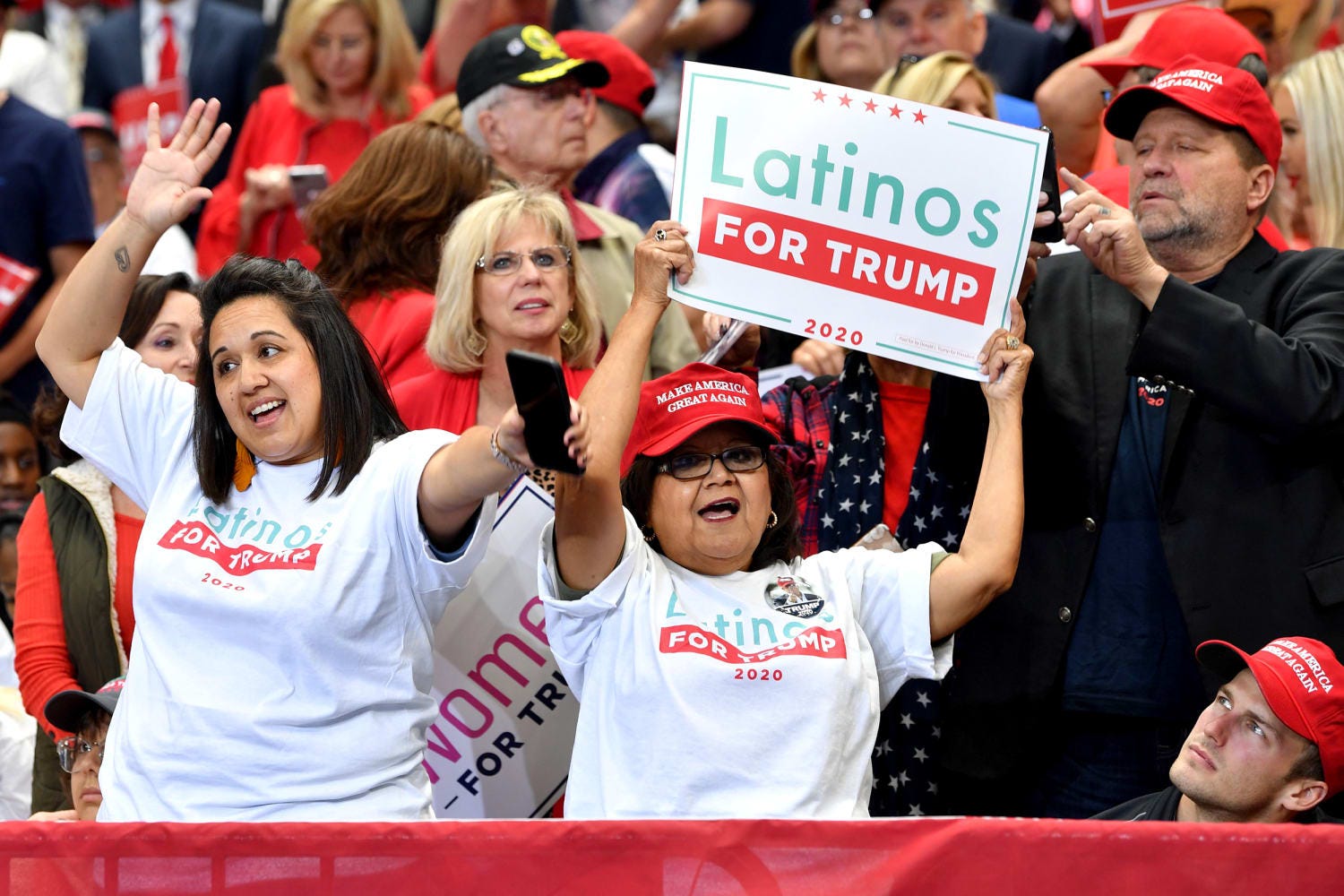
When I talk about people rejecting these cultural elements I am referring to people who actively distance themselves from things they grew up with and actively shame others for not doing the same. By doing this you treat your own culture, your past, and even a younger version of yourself as lesser. This is usually out of a desire to appease white people and thus assimilate to the hostile culture. Whether it's for the purpose of negating racism, finding closer alignment to people you agree with ideologically (many conservative Chicanos are that simply due to religious values), or a deeply held shame or guilt related to past poverty, assimilation is many times perceived as a necessity or something to be desired.
But there also exist people who do not do this out of their own will. There are plenty of people, myself included, who had this thrust upon them by parental figures. By raising your children devoid of certain cultural elements, especially ones you grew up around, you effectively opt for them to not be able to connect to certain parts of their culture. This is where we get our no sabo kids.
I grew up knowing some things but not others. I knew what a sock check was, I knew to call friends Foo' or güey/wey, I knew how to cuss in Spanish, I knew how to identify Sureño and Norteño gang tags, but some things I couldn't do until later, when I sought these skills out myself were speaking Spanish, cooking Mexican food, or even articulating what part of Mexico my family is from. In essence the only thing I was allowed to do that is part of my culture was my family's bad habits.
This is why white washed Chicanos often make bad representatives of the culture. By not being given the full context you have all the bad habits without a full understanding of the context in which they arose. Your understanding is based often on stereotypes as that might be all you have to go off of so what more can you do if not just transmit the bad?
This is where the sock check comes into play. It is important to sock check someone not on the grounds of their commitment to an aesthetic, but on how committed they are to the culture. While it's really not one’s place to tell anyone they do not or no longer belong within a context related to ethnic or cultural identity, some people must be treated as others because they do not represent the culture in an uplifting way. Think of “Uncle Tom” discourse but for the Chicano Community. People who actively sell out, seek to harm, or disrespect the culture often hide behind the identity when it suits them, but are nowhere to be found when it's time to represent it. The simple act of not being educated on our history is not a valid reason to exclude someone but an active disrespect might be just that. In this instance the sock check is now a form of praxis meant to vet those who themselves have rejected their community.
The Historic Inevitability of Down-Ass Foo’s, High Socks, and Sock Checks
So, how did we get here? How did a tube sock become a theological object? To understand the Drip, we must understand the State Violence that created it. To do this we must first understand early Chicano aesthetics and how it gave rise to the Cholo aesthetic. Prior to LA being the center of Latino gangs the origin point of this was El Paso, Texas which was essentially the Ellis Island of the southwest. Here the Pachuco aesthetic was imported from Mexico and became ubiquitous with the Chicano. This aesthetic subculture gave rise to small sets of young men who would claim territory often in defense of other such groups similar to the origins of the Bloods and the Crips. They started not as criminal enterprises but instead as friend cliques and boys clubs. Teenage boys hang out, someone develops a personal beef with another member of one of these boys clubs, thus their block becomes a no-go-zone for their opposition. “We don't fuck with you, so you're not welcome here.” That is how we get territorial gangs.
When WW2 began, many traveled west to California for wartime jobs where they were met with harsh segregation era policies. Chicanos could not use white parks, pools, or social clubs. Sports and Car culture have always been a part of Chicano culture, and immediately felt the impact. In the face of segregation, Chicano sports teams and car clubs were forced to create their own territory out of response to their exclusion from others, hence the rise of the barrios such as in East LA. Disputes would arise with similar teams and clubs of white boys thus creating a racial gang violence similar to how most gangs operate now.
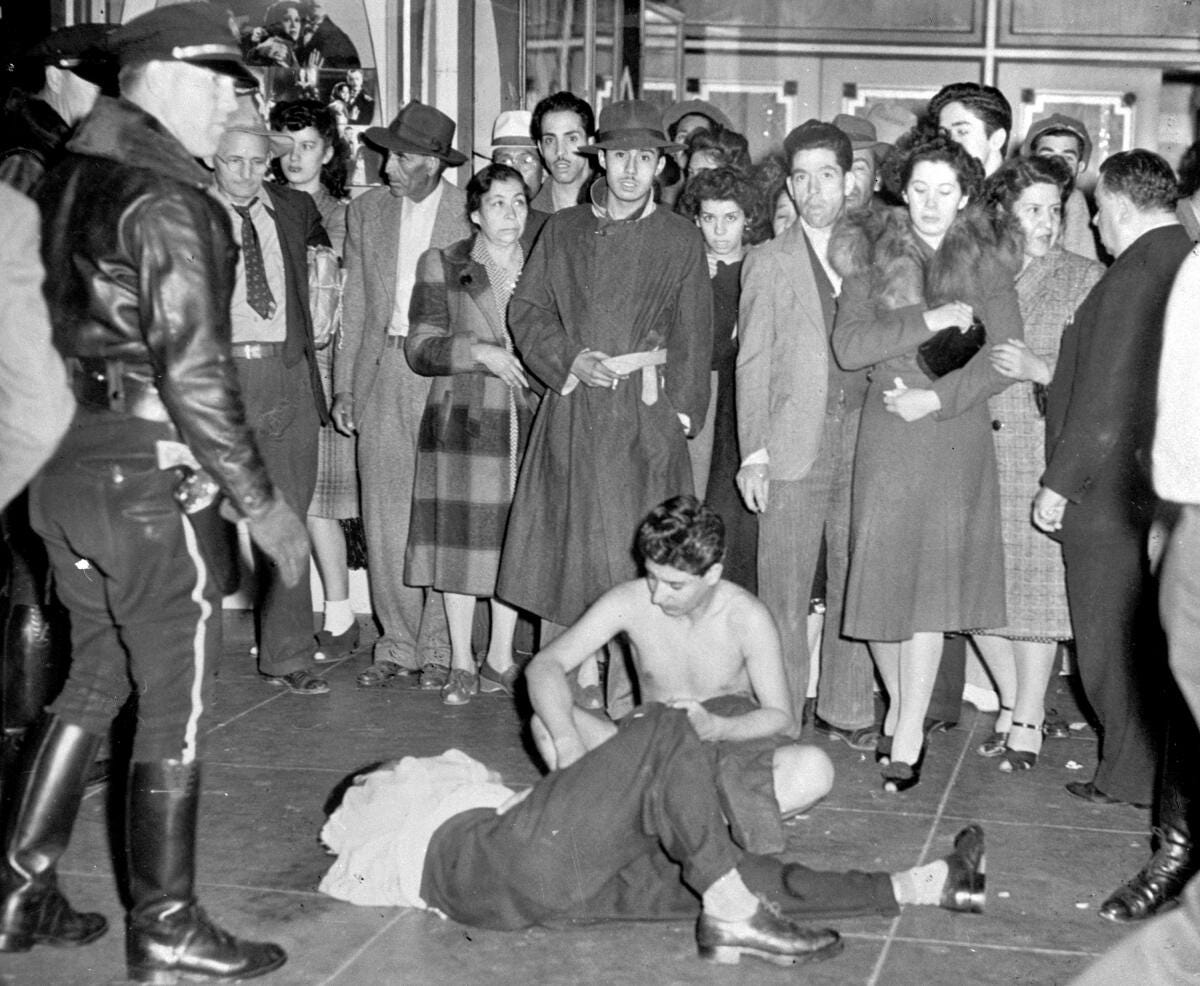
Following the US government’s condemnation of the Zoot Suits, worn by the Pachucos, thus inciting the infamous Zoot Suit Riots during the second world war, the Zoot Suits became a symbol of defiance against the government. Citing the high fabric cost the government labeled the Zoot Suit as “unpatriotic,” this led many white servicemen to assault and strip young Chicano men of their Zoot Suits in public nonetheless. This gradually contributed to the Pachuco going out of style.
During the 1970’s and 80’s the mass incarcerations gave the final piece to the puzzle. Tube socks were issued to prisoners, who would hike them up above the boot line to prevent chafing during prison labor. Similarly to how sagging largely made its way to Black hood culture as a post-prison cultural phenomenon, the high socks made its way out for Chicanos. The world has been hard for Chicanos since first immigrating to America or since the border crossed many of us, so when society demands you become a down-ass foo the only thing to do is pull yourself up by your tube socks and get to work.
Because of this, the high socks became an indicator of who has been to prison. As it becomes something the new homies see the OG’s doing, it is emulated and now comes to represent who has proximity to the gang lifestyle. As LA has become less saturated in gang violence compared to the 90’s it becomes more an indication of having grown up in certain areas.
In short, the Cholo aesthetic arose out of the material conditions of the Chicano, not as a fashion statement like the Pachuco did. This is why the Cholo is the highest ideal of the Chicano. I bet you never thought that the Cholo would be compared to the Platonic Form of the Chicano. It's a distinctly Chicano outgrowth that has even been exported, not just to Latin America, but also other places you wouldn't expect, namely Japan. In the rest of the world when someone thinks “Chicano” they think of the Cholo, thus the Cholo is the Platonic Form of the Chicano, existing in the mind separate from active perception.
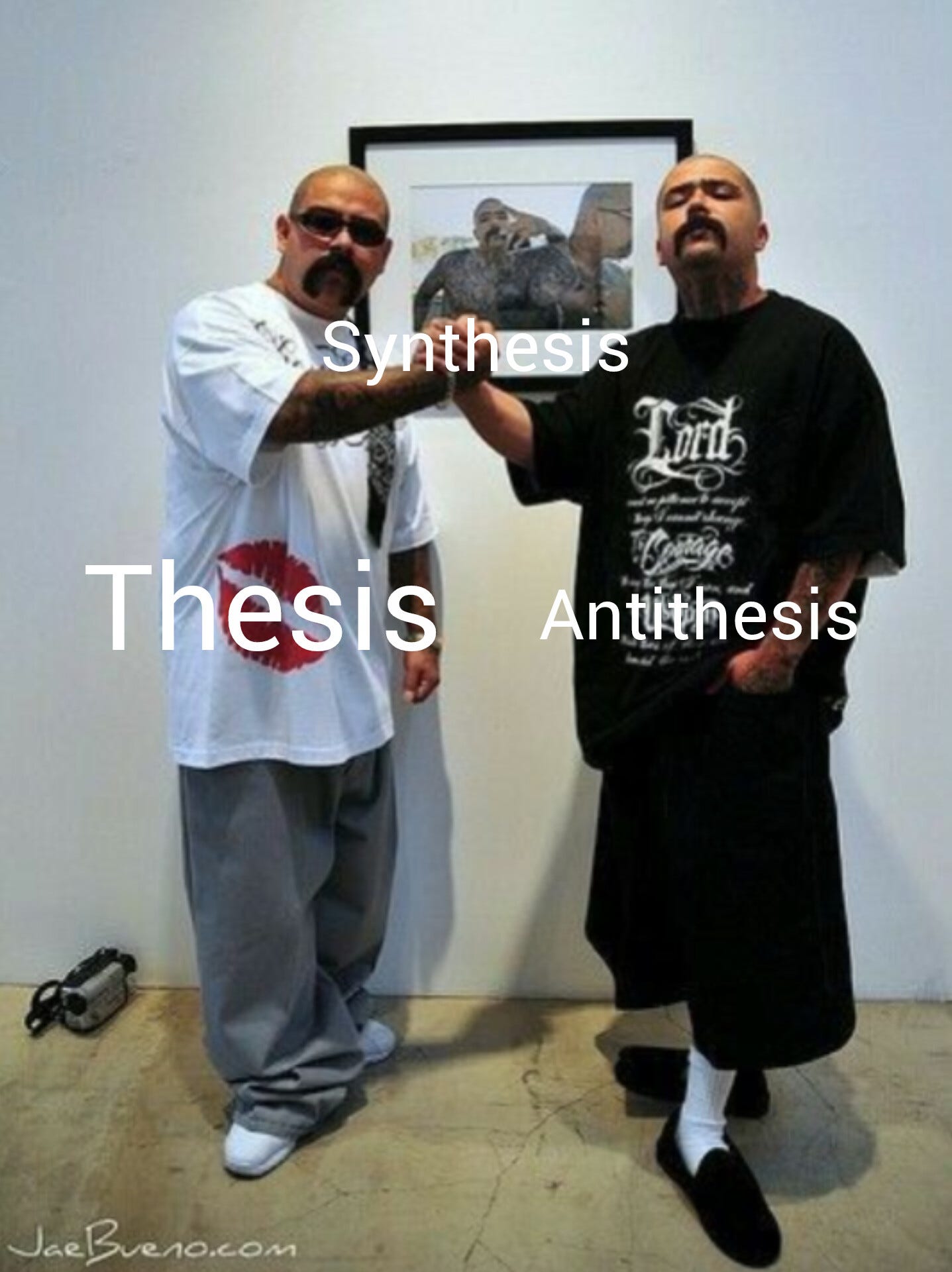
Now that you understand this history, do not disregard down-ass Foos as simply thugs or criminals, think of the Foo as a more advanced form of the Pachuco. One that has evolved and formed a synthesis with the material conditions presented.
In Conclusion
The sock check is a recognition of historical conditions within a community, not a form of fashion policing. Cultural elements like this are important to maintain because they speak to a history not just to an individual’s taste or preference. Beyond that it is important that we instill traditions even perceived as ghetto or trashy within our community because people of color are the only people who are expected to apologize for the historic conditions we exist under and the distasteful things done as a result, whereas white people often praise theirs as important history that can not be attacked or questioned.
The difference is aesthetics like the Cholo arose not out of violence or genocide like many parts of white culture, they are actually an outgrowth of those actions against us. I would like to leave you with a final question to ponder after reading this. How high are your socks, foo?
If this analysis helped you align your verticality with the ancestors, share this post.
If your socks are low, unsubscribe and reflect on your material conditions.